

Together for Mental Health: The New EU-OSHA Campaign
Together For Mental Health: The New EU-OSHA Campaign What the new EU-OSHA campaign means for Irish employers Ireland's participation in Europe's new workplace mental health campaign is an opportunity to move beyond awareness days. The organisations that lead will connect psychosocial risk assessment, worker participation, manager capability and visible follow-through. The campaign changes the management question At the start of a busy shift, mental health may look like an operational problem: a roster rewritten at…
Continuous Monitoring Vs Periodic Audits
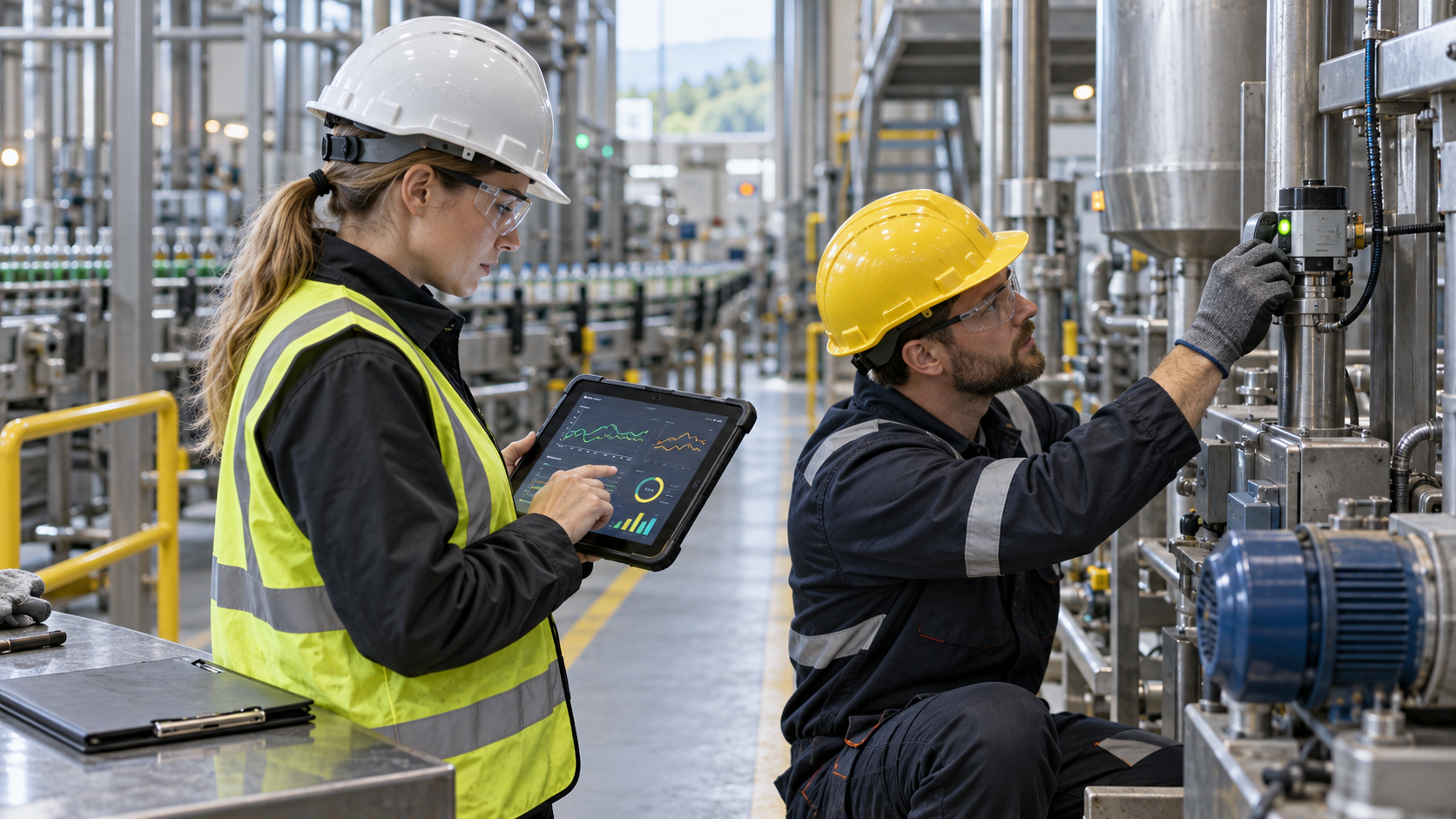
Continuous monitoring Vs Periodic Audits Is the Annual Audit Dead? From Audit Day to Everyday Assurance A periodic audit remains a valuable test of governance, legal alignment and the overall health of an EHS management system. It brings structure, independence and time for deeper challenge. Its limitation is timing. A plant can change a production line, onboard a contractor, accumulate overdue actions or introduce a new shift pattern months before the next formal review. Irish…

Integrating EHS into Enterprise Risk Management
Integrating EHS into Enterprise Risk Management From Safety Data to Business Intelligence Safety Risk Is Enterprise Risk In many organisations, EHS and enterprise risk management still operate on different clocks. Site teams review hazards, incidents, training and corrective actions. Corporate risk teams discuss strategic, financial, operational and reputational exposure. Both groups may be looking at the same underlying threat, but the information reaches leadership through separate systems, terminology and reporting cycles. That separation is increasingly…

Neuroinclusive Office Ergonomics for Teams
Neuroinclusive Office Ergonomics for Teams Ergonomics Must Fit the Person Office ergonomics is often reduced to chair height, monitor position, and keyboard placement. While those fundamentals remain essential, they describe only part of the modern office. For instance, noise, glare, visual movement, temperature, interruptions, unclear instructions, and unpredictable desk arrangements can also affect concentration, fatigue, and a person's ability to work comfortably and safely. In addition, this wider view matters for neurodiverse teams. Neurodiversity describes…
World Suicide Prevention Day: The EHS Professional’s Role
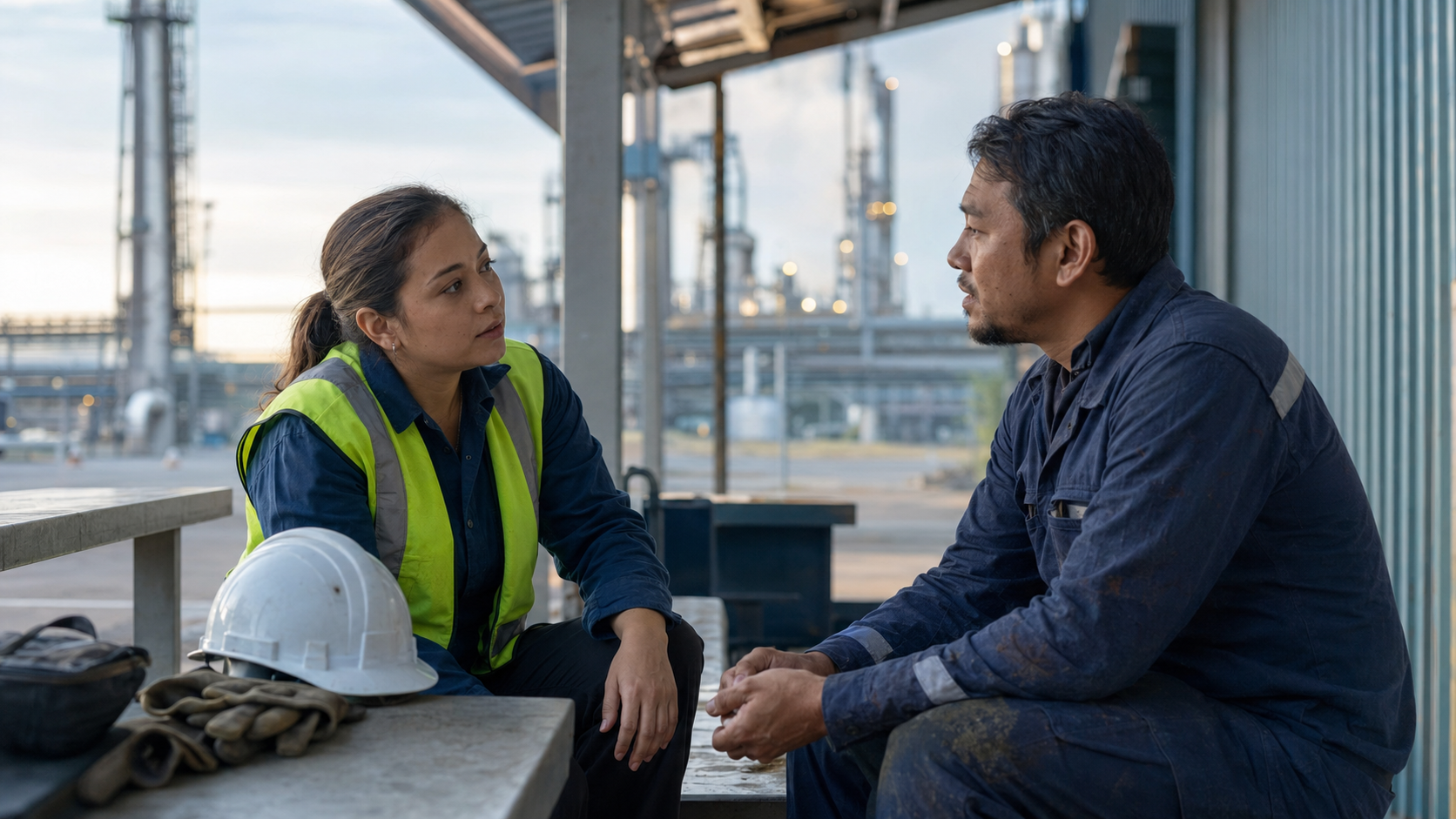
World Suicide Prevention day 2026 Mental Health Is Safety World Suicide Prevention Day takes place on 10 September. It calls for a move from silence and stigma towards openness, understanding and support. For employers, that change cannot be limited to an annual campaign. It must be reflected in how work is designed, how managers respond and how people access help. This is especially relevant in manufacturing, logistics and other high-pressure sectors, where shift work, fatigue,…

Digital Twins for Safety : Visualising Risk Before the Incident
Digital Twins for Safety: Visualising Risk Before the incident Risk changes faster than documents An industrial site is never static. Deliveries change traffic patterns, temporary storage narrows pedestrian routes, maintenance opens restricted areas and new equipment alters sight lines. Written controls may still look complete while operations have already moved on. Digital twins are beginning to address this gap. A living digital representation can bring layouts, assets, movement and selected operational data into one shared…

Safe Load Securing 2026: Preventing Road Incidents
Safe Load Securing 2026: Preventing Road Incidents The Hidden Threat on Irish Roads Whether it’s a curtain-side trailer travelling down the M50, a flatbed delivering heavy machinery to a construction site in Cork, or a commercial van transporting tools between client jobs, securing cargo safely is a critical operational safety issue. Across Ireland, research demonstrates that approximately 23% of all road collisions are work-related. Joint enforcement operations by the Health and Safety Authority (HSA), the…
ADR and Dangerous Goods: Mid-Year Logistics Safety Review
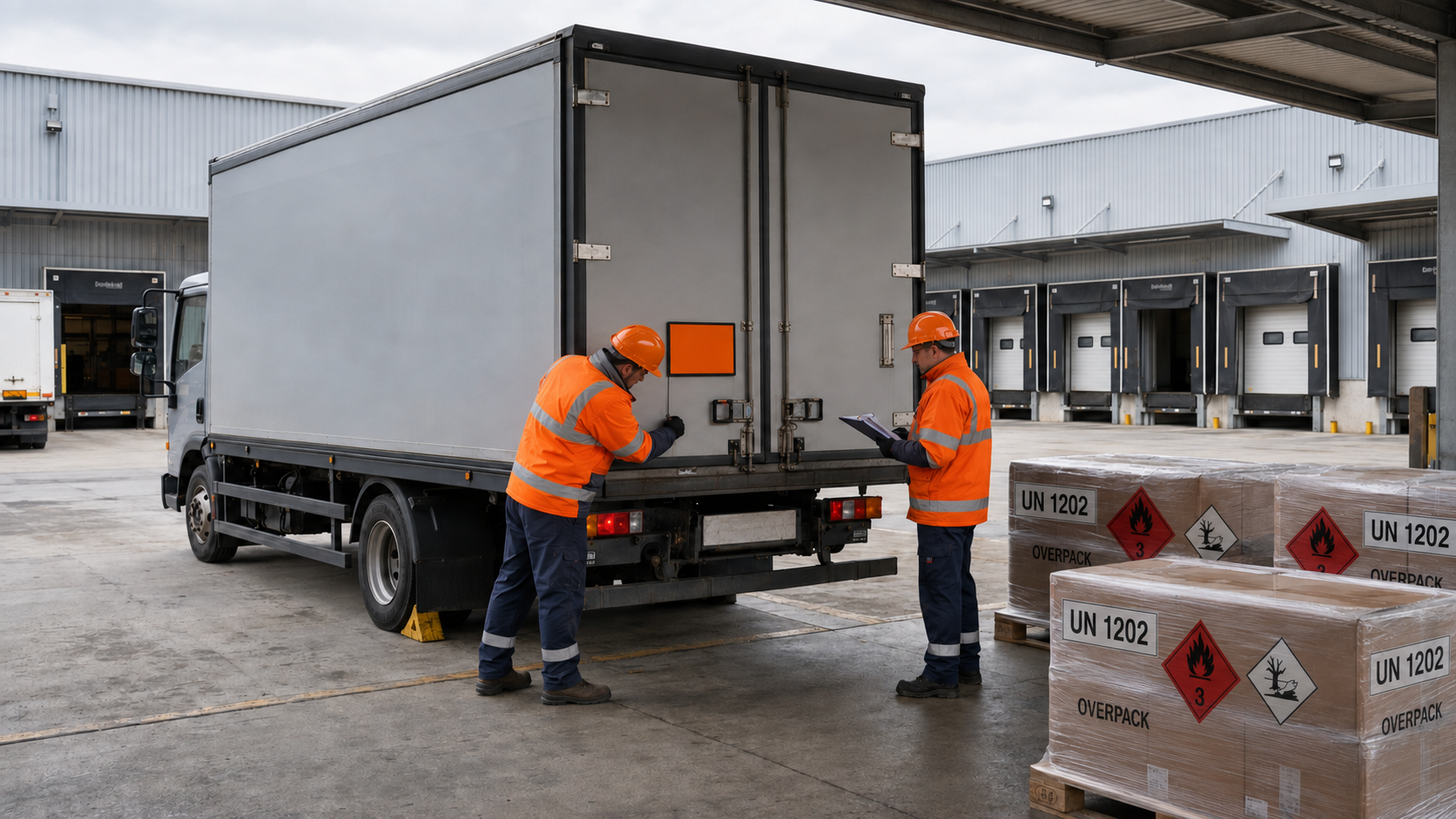
ADR and Dangerous Goods: Mid-Year Logistics Safety Review Ireland’s Evolving Transport Safety Landscape As we cross the mid-year mark of 2026, Irish logistics operators, freight forwarders, and supply chain managers are facing unprecedented regulatory scrutiny on the road. The Health and Safety Authority (HSA), working alongside An Garda Síochána and the Road Safety Authority (RSA), has intensified roadside checks and facility audits following recent Irish statutory updates, including the European Communities (Carriage of Dangerous Goods…

The Convergence of Digital Cyber Threats and Physical Harm
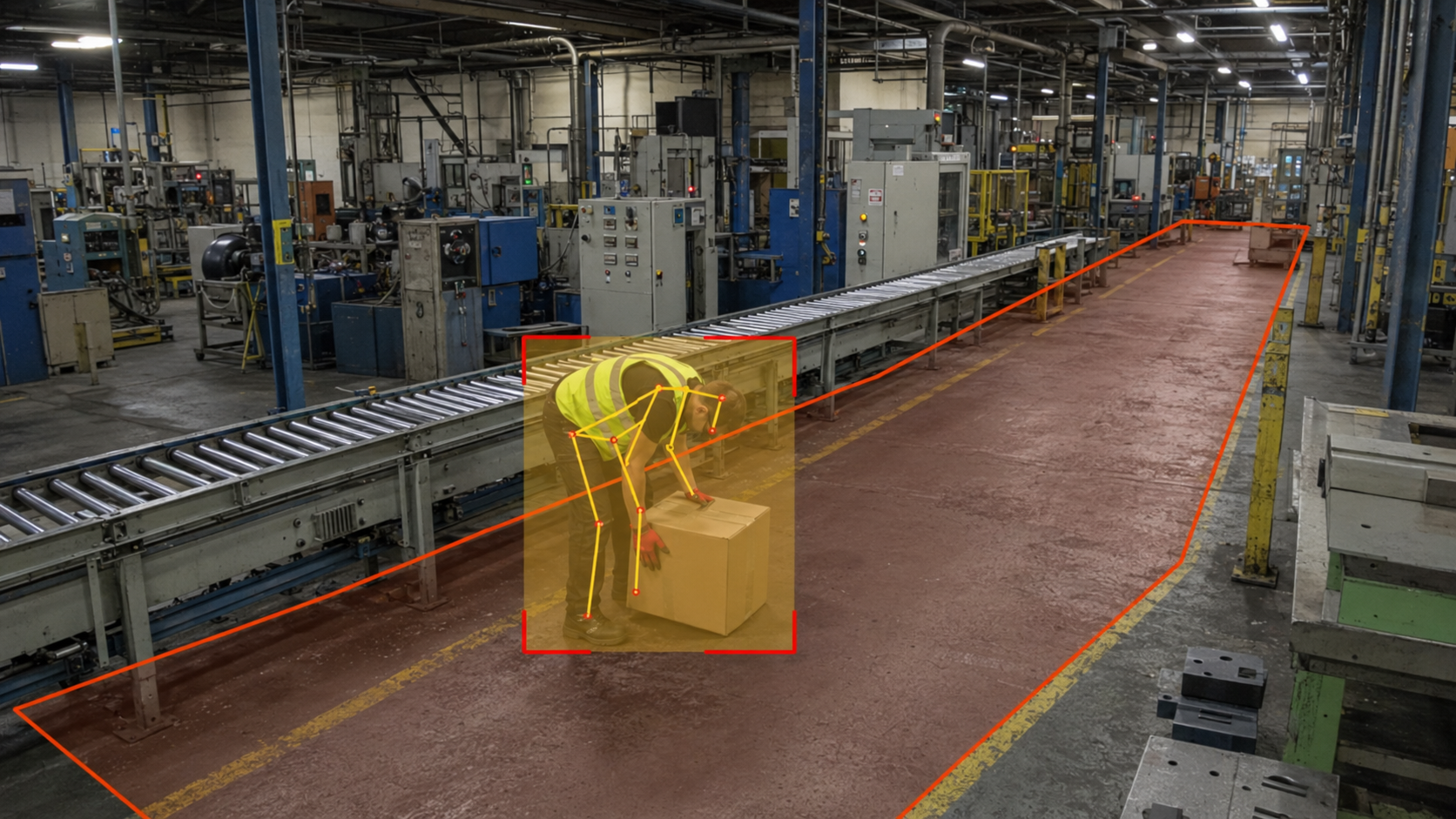
Auditor Pillar: The Convergence of Digital Cyber Threats and Physical Harm For decades, EHS management and IT cybersecurity operated in completely separate silos. IT protected databases, firewalls, and company email accounts; EHS managed machine guards, personal protective equipment, chemical safety, and floor-level physical hazards. That boundary has officially dissolved. As Irish facilities across pharmaceutical manufacturing, automated logistics, and heavy industry become hyper-connected, operational technology (OT) and digital safety systems are fully integrated with enterprise networks.…